Ticks and fleas thrive across urban green spaces, walking tracks, and grassy parks in South Delhi—including popular walking spots near Sanjay Van, Jahanpanah City Forest, Mehrauli, and Chhatarpur. During high-humidity monsoon months and warm seasonal transitions, parasite populations surge dramatically.
Protecting your pet requires a disciplined, multi-layered strategy. Routine brushing and grooming help owners notice visible parasites early, but grooming alone is not a replacement for medical veterinary prophylaxis. Let’s explore proper coat inspection techniques, environmental sanitation, anti-parasite bathing, and the vital role of veterinary medicines.
1. How to Perform a Meticulous Coat Inspection
Ticks and fleas rarely wander openly on top of a dog's outer coat. They gravitate toward warm, vascular areas with thin skin where capillary blood flow is easily accessible.
Make it a daily habit to conduct a 3-minute tactile inspection after outdoor walks, parting the fur down to the pink dermal layer in these critical zones:
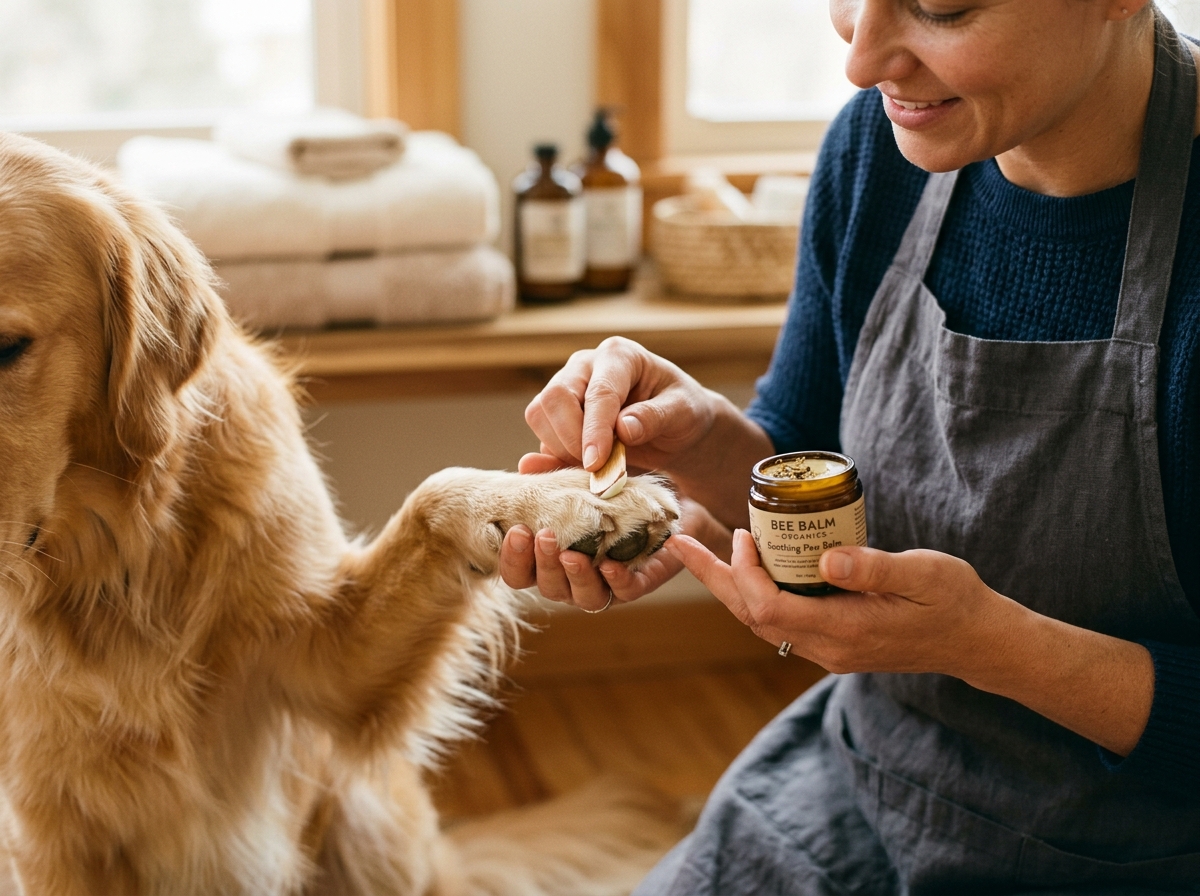
- Between the Toes & Paw Pads: Ticks frequently latch between digit webbing or under dewclaws after grass walks.
- Inside & Behind Ear Flaps: The soft, thin skin around the base of the ear is a prime tick hiding site.
- The Groin & Underbelly: Spread your dog’s rear legs gently and inspect the inner thigh folds.
- Armpits (Axillary Region): Check where front legs join the torso.
- Collar & Harness Line: Ticks frequently crawl underneath collar bands where moisture and warmth are trapped.
Fleas move quickly and can be difficult to see with the naked eye. However, they leave behind "flea dirt" (digested blood feces) that looks like tiny specks of black pepper on the skin. Place the black specks on a wet white tissue or paper towel. If they dissolve and turn reddish-brown, it is flea dirt—confirming an active flea infestation.
2. How to Safely Remove an Attached Tick
Never crush, burn, or suffocate an attached tick with nail polish, kerosene, or alcohol. When stressed by toxic substances, ticks regurgitate stomach contents back into your dog's bloodstream, dramatically increasing the transmission risk of tick-borne pathogens.
- Use fine-tipped tweezers or a specialized veterinary tick-hook.
- Grasp the tick as close to the dog’s skin surface as possible without pinching the dog's dermis.
- Pull upward with steady, even pressure. Do not twist or jerk, as this can snap the tick's mouthparts, leaving them lodged in the skin and causing localized foreign-body granulomas.
- Disinfect the bite site with a safe antiseptic solution (such as diluted chlorhexidine or betadine).
- Submerge the tick in rubbing alcohol or flush it down the toilet. Never squash an engorged tick with your bare fingers.
3. Seasonal Spikes in Delhi NCR
While ticks are present year-round in North India, two primary seasonal spikes occur:
- Monsoon & Post-Monsoon (July to October): High relative humidity (above 70%) combined with ambient warmth creates optimal breeding conditions for the Brown Dog Tick (Rhipicephalus sanguineus). Eggs hatch rapidly in garden soil, roadside vegetation, and apartment cracks.
- Post-Winter Thaw (March to May): As temperatures climb above 25°C following cold Delhi winters, dormant nymphs become aggressively active.
4. Environmental Sanitation: Cleaning the Living Space
Only 5% of a flea population lives on the pet; the remaining 95% exists as microscopic eggs, larvae, and pupae in pet bedding, rugs, sofa cushions, and floor cracks. If you only wash the dog and ignore your home environment, re-infestation occurs within days:
- Wash Pet Bedding in Hot Water: Wash blankets, bed covers, and plush toys weekly in hot water (at least 60°C) and dry them in direct sunlight or on high dryer heat.
- Intensive Vacuuming: Vacuum rugs, mattress seams, under sofas, and skirting boards. Immediately empty the vacuum bag or canister into an outdoor bin.
- Pet-Safe Floor Washes: Clean hard floors with pet-safe veterinary disinfectants. Avoid toxic household phenols like Lizol or phenyl around cats and puppies.
5. The Role of Anti-Parasite Grooming Baths
At The Pet Retreat in Chhatarpur, we provide an anti-parasite botanical wash as a targeted service:
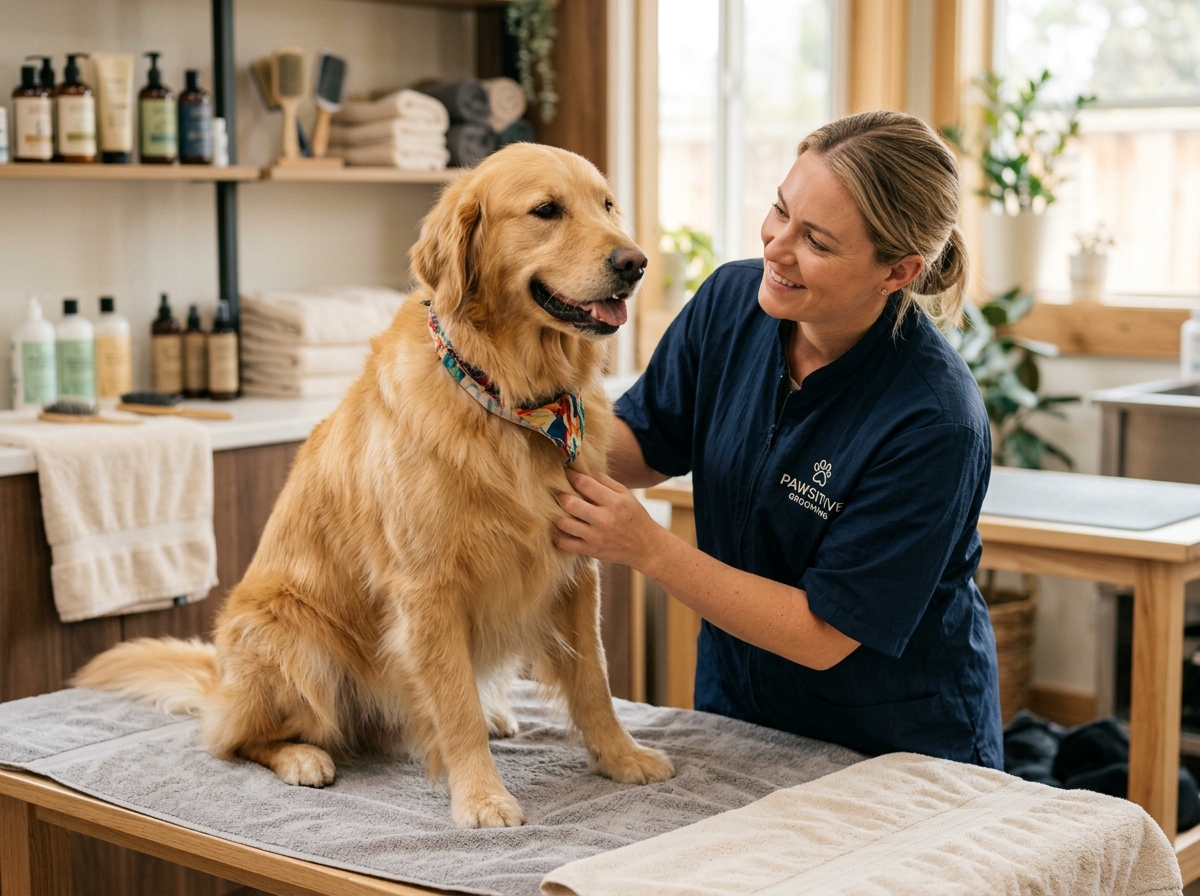
Our specialized Flea & Tick Treatment (₹500) utilizes a safe, anti-parasitic botanical wash formulated to eradicate active adult fleas and ticks clinging to the coat, soothe inflamed bite spots, and facilitate gentle manual tick extraction during high-velocity blowouts.
*Prices and service availability may change. Please confirm current details with The Pet Retreat before booking. Visit our services and pricing page for updates.
It is critical to understand: a single bath does not eliminate every parasite permanently or prevent re-infestation. Shampoos work via immediate contact to kill or wash away parasites currently on the dog's coat. However, shampoos have virtually zero residual protection once rinsed off. If an untreated dog walks through infested park grass 24 hours later, new ticks will attach immediately.
6. Why Veterinary Medicine is Essential
Long-term parasite control requires licensed veterinary pharmaceuticals that circulate systemically:
- Oral Chewable Tablets (Isoxazolines): Modern veterinary tablets (such as Bravecto, Simparica, or NexGard) provide 1 to 3 months of systemic protection. When a tick or flea bites, it ingests the active compound and dies within hours—before it can transmit dangerous hemoparasites.
- Topical Spot-Ons: Formulations like Frontline Plus or Advocate applied to the skin between the shoulder blades spread across the lipid layer, providing topical protection for 30 days.
- Veterinary Consultation: Always consult your veterinary doctor to determine the appropriate medication, dosage, and frequency based on your dog's exact weight, age, and breed (for instance, Collies with MDR1 gene mutations require specific drug precautions).
7. Recognizing Tick Fever (Babesiosis / Ehrlichiosis)
In South Delhi, tick-borne blood parasites (Tick Fever) are among the most serious canine medical emergencies. Symptoms often manifest 1 to 3 weeks after an infected tick bite:
- Sudden high fever (above 103.5°F).
- Extreme lethargy and reluctance to stand or walk.
- Complete loss of appetite.
- Pale, whitish, or yellowish gums (indicating severe anemia).
- Dark tea-colored or reddish urine.
- Nosebleeds (epistaxis) or tiny red pinprick bruises on the belly.
If your dog exhibits high fever, pale gums, dark urine, or extreme weakness, rush to a qualified veterinary hospital immediately for a complete blood count (CBC) and blood smear test. Grooming is not a treatment for tick fever or internal blood parasites. Tick fever requires prescription antibiotics (such as doxycycline) and supportive veterinary clinical care.
Need a Soothing Anti-Parasite Bath for Your Dog?
Book our gentle Flea & Tick Treatment at The Pet Retreat in Chhatarpur or via doorstep home grooming across South Delhi. Safe botanical washes that soothe itchy skin.


.jpeg)