When cat parents in Delhi plan vacations, business trips, or home painting projects, finding suitable feline care is often fraught with anxiety. Leaving a cat completely alone at home with once-daily feeder visits can lead to litter box avoidance, dehydration, and destructive boredom. Yet placing a sensitive cat in a loud facility next to barking dogs can trigger acute feline stress, leading to anorexia or idiopathic cystitis.
Cats perceive the world through territory and scent. To board a cat safely, a facility must be tailored specifically to feline biology rather than treating cats as an afterthought to canine boarding.
1. Understanding Feline Stress & Neophobia
Cats are both predators and prey animals in nature. This evolutionary duality makes them exceptionally cautious when entering novel spaces—a trait known as neophobia. When a cat arrives in an unfamiliar environment, their natural survival instinct is to seek high ground or a dark hiding cubby until they verify that the territory is devoid of predators.
Under acute stress, cats secrete high levels of cortisol. Signs of feline distress include:
- Crouching low with tail tightly wrapped against the body.
- Dilated pupils and flattened ears.
- Refusal to eat or drink for more than 24 hours (which can lead to hepatic lipidosis / fatty liver disease).
- Urinary retention or avoiding the litter box.
A dedicated cat boarding sanctuary is structured to neutralize these stressors from the very first hour.
2. The Cardinal Rule: A 100% Dog-Free Feline Zone
The single most critical requirement for feline boarding is complete acoustic and olfactory separation from dogs.
Even if a cat is housed inside a separate enclosure, the resonant barking, scent of unfamiliar canine predators, and floor vibrations from running dogs will keep a feline in a perpetual state of hyper-vigilance.
At The Pet Retreat in Chhatarpur, our feline sanctuary is located in an isolated, quiet wing completely separate from canine boarding. There is no shared airflow, no barking noise, and zero visual contact with dogs. This calm acoustic environment allows cats to relax their muscles, eat normally, and explore freely.
Dogs enjoy group play, outdoor grass runs, and pack socialization. Cats do not. Forcing unfamiliar cats to mingle in open group play triggers territorial aggression and viral transmission. Each cat or bonded family pair requires their own private suite, individual litter facilities, and one-on-one human cuddle sessions.
3. Vertical Spaces, Hiding Cubbies & Scratching Trees
Cats experience security through verticality. When a cat can perch 4 to 6 feet above the floor, they feel in command of their territory:
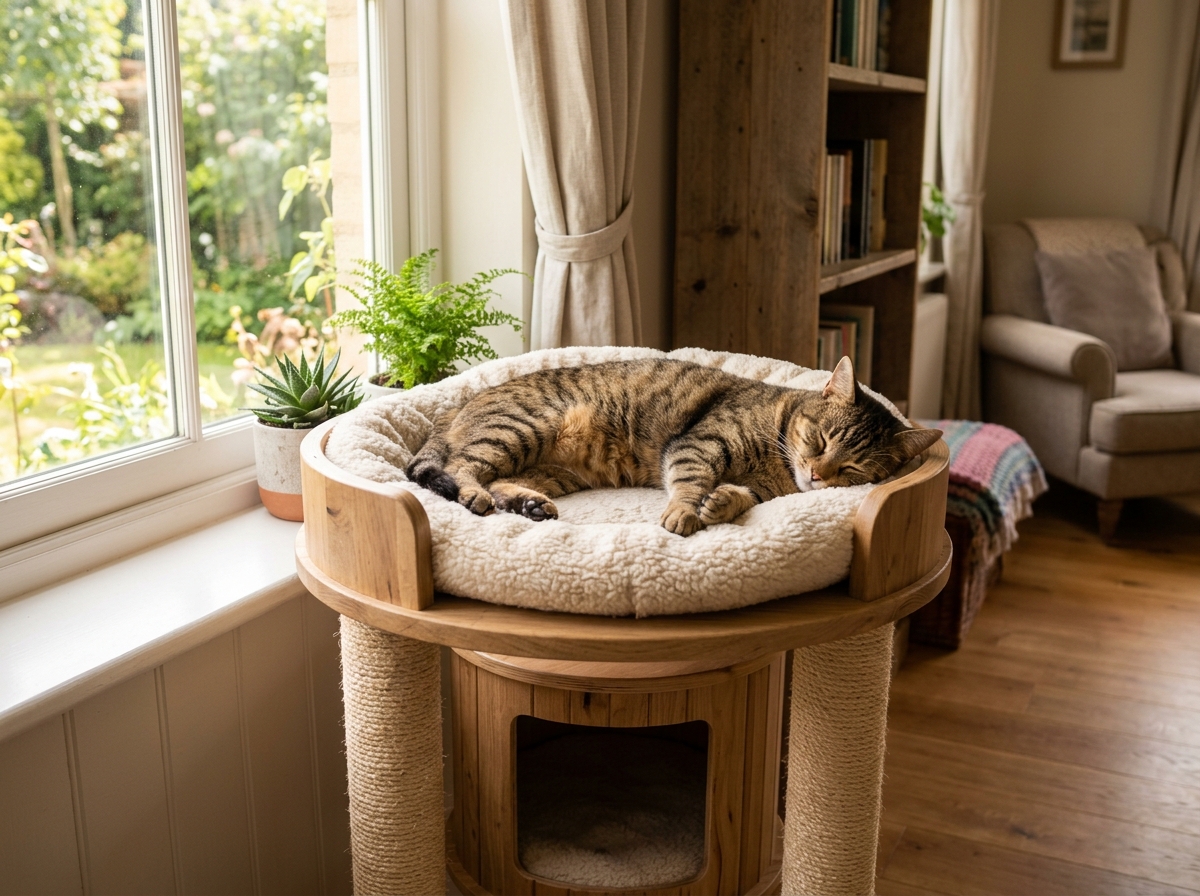
- Multi-Tiered Cat Trees: Sturdy sisal-wrapped cat trees allow natural scratching, stretching of the spinal column, and claw scent-marking.
- Enclosed Hiding Caves: Covered plush caves or cozy cardboard boxes give newly arrived felines an enclosed sanctuary where they can hide undisturbed during their first afternoon.
- Sunlit Window Lookouts: Large windows with bird and garden views provide stimulating "Cat TV," keeping indoor felines mentally engaged throughout the day.
4. Litter Box Hygiene and Substrate Familiarity
A cat's sense of smell is 14 times stronger than a human's. A dirty litter box is an immediate trigger for feline house-soiling or painful urinary retention.
- Twice-Daily Scooping: Litter boxes must be scooped at minimum twice daily (morning and evening), with complete sanitization between feline guests.
- Substrate Consistency: Always inform your boarding facility what type of litter your cat uses at home (clumping bentonite clay, wood pellets, tofu, or paper pellets). Cats develop strong tactile preferences for their litter; an unfamiliar texture can cause litter refusal.
- Litter Box Depth: Ensure the litter pan has low entry rims for senior cats with arthritis and sufficient depth (2–3 inches) for natural burying behavior.
5. Diet Continuity and Crucial Hydration
Cats are obligate carnivores with a naturally low thirst drive. In their ancestral desert habitats, felines absorbed most of their moisture from fresh prey. In modern boarding, maintaining moisture intake is vital:
- Pack Their Usual Food: Pack their exact brand and flavor of wet food pouches, gravy cans, and dry kibble. Sudden food changes cause stomach upset or total food refusal.
- Water Fountains: Cats strongly prefer running water over stagnant bowls. The Pet Retreat provides circulating filtered water fountains that entice cats to drink, protecting their renal and bladder health.
- Temptation Treats: Pack their favorite lickable cat treats (such as Churu or Sheba puree). Handlers use these to build gentle trust and encourage shy cats to take their first bites.
6. Health & Vaccination Requirements
Responsible cat boarding requires documented veterinary health records:
- FVRCP / Tricat Vaccine: Protects against Feline Viral Rhinotracheitis (Herpesvirus), Calicivirus, and Panleukopenia (Feline Distemper). Must be current within the past 12 months.
- Anti-Rabies: Mandatory annual feline rabies immunization.
- Flea & Tick Spot-On: Verification of veterinary-approved external parasite prevention (such as Revolution Plus or Bravecto Plus) within 30 days prior to check-in.
If your feline companion requires daily medication (such as blood pressure tablets, thyroid drops, or joint supplements), our caregivers administer oral doses with patience and gentle handling. The Pet Retreat maintains 24/7 access to trusted emergency veterinary clinics in South Delhi (Vasant Kunj and Saket).
Cat Boarding Suites at The Pet Retreat
At The Pet Retreat in Chhatarpur, New Delhi, we provide a dedicated feline sanctuary engineered around natural cat behavior:
- Private, Quiet Suites: Clean, climate-controlled, dog-free rooms where cats enjoy serene daytime snoozing.
- Individual Vertical Towers: High cat trees, scratching posts, and window lookouts.
- One-on-One Gentle Companionship: Gentle brushings, interactive feather wand play, and quiet lap cuddles for affectionate cats.
- Daily WhatsApp Photo & Video Updates: Receive clear videos of your cat eating, playing, and purring every single day.
- Published Cat Boarding Price: ₹800 per night, offering premier feline accommodation in South Delhi.
Cat boarding at The Pet Retreat is published at ₹800 per night. Includes private suite, daily WhatsApp video updates, and attentive care.
*Prices and service availability may change. Please confirm current details with The Pet Retreat before booking. Visit our services and pricing page for updates.
Looking for a Quiet, Loving Space for Your Cat?
Give your feline companion a peaceful, dog-free holiday in Chhatarpur with vertical cat trees, attentive caregivers, and daily WhatsApp updates at ₹800/night.

.jpeg)
.jpeg)
.jpeg)